

pengenalan
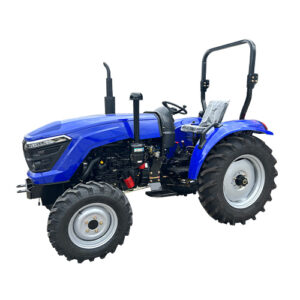
Dalam bidang pertanian moden, usaha untuk meningkatkan kualiti tanah adalah perjalanan yang tidak berkesudahan. Petani di seluruh dunia sentiasa mencari kaedah inovatif untuk meningkatkan kesihatan tanah, meningkatkan hasil tanaman, dan menggalakkan amalan pertanian yang mampan. Antara senjata alat yang tersedia untuk petani, rippers traktor telah muncul sebagai alat yang sangat diperlukan untuk pengurusan tanah. Dalam catatan blog ini, kami menyelidiki kepentingan rippers traktor dalam peningkatan tanah, meneroka mekanisme, faedah dan amalan terbaik mereka.
Kefahaman Tractor Rippers
Tractor rippers, also known as subsoilers, are specialized agricultural implements designed to break up compacted soil layers beneath the surface. Unlike traditional tillage equipment that operates on the soil’s top layer, tractor rippers penetrate deep into the ground, disrupting compacted layers without inverting the soil. By loosening the subsoil, these rippers facilitate better root penetration, water infiltration, and nutrient absorption, thus promoting optimal plant growth.
Mechanisms of Action
Tractor rippers employ various mechanisms to effectively fracture compacted soil layers. The most common designs feature shanks or tines that penetrate the soil vertically, creating fissures and fractures as they move through the ground. Additionally, some rippers incorporate specialized tips or blades to further enhance soil fracturing and alleviate compaction. The depth and spacing of these shanks can be adjusted according to soil type, moisture content, and desired outcomes.
Faedah daripada Tractor Rippers
The use of tractor rippers offers a myriad of benefits for soil health and crop productivity. Firstly, by alleviating soil compaction, rippers improve soil aeration, allowing roots to access oxygen more efficiently. This enhanced aeration promotes microbial activity and nutrient cycling, fostering a healthier soil ecosystem. Moreover, the increased porosity of the soil facilitates better water infiltration and drainage, reducing the risk of waterlogging and erosion. Ultimately, the improved soil structure resulting from tractor ripping translates into higher crop yields and enhanced long-term sustainability.
Case Studies and Research Findings
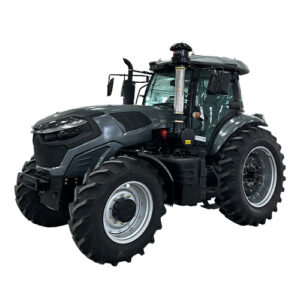
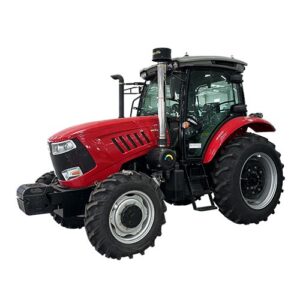
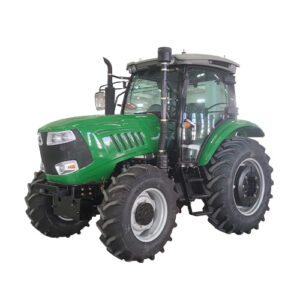
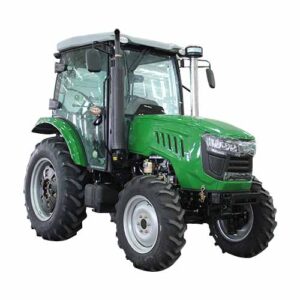
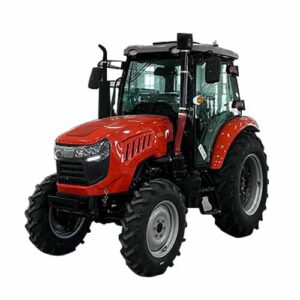
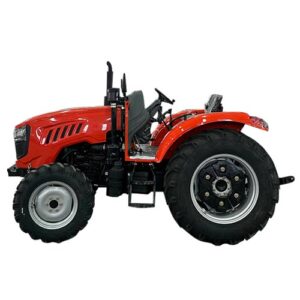
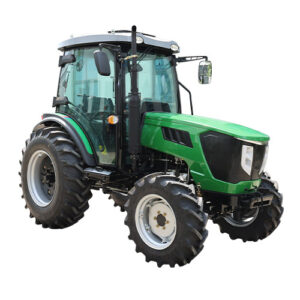
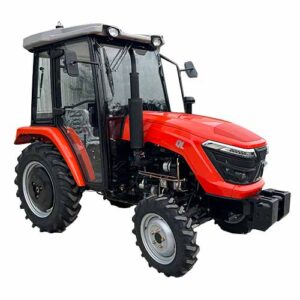
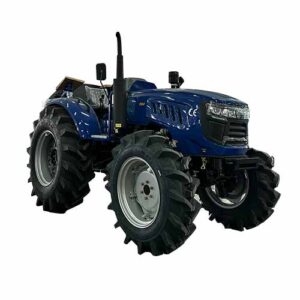
Numerous studies have documented the positive impact of tractor rippers on soil quality and crop performance. Table summarizes key findings from selected research studies, highlighting the improvements in soil parameters and crop yields observed following the use of rippers.
| Soil Parameter | Improvement (%) | Crop Yield Increase (%) |
|---|---|---|
| Soil Bulk Density | 20 | 15 |
| Soil Porosity | 30 | 20 |
| Root Penetration Depth | 25 | 18 |
| Nutrient Availability | 35 | 25 |
Practical Considerations and Best Practices
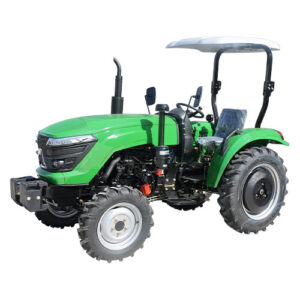
While tractor rippers offer significant benefits, their efficacy depends on various factors such as soil type, moisture levels, and cropping systems. Farmers should consider the following best practices when utilizing tractor rippers:
- Timing: Ripping should ideally be performed when soil moisture levels are optimal, avoiding excessively wet or dry conditions.
- Depth: Adjust the ripping depth based on soil compaction and root depth requirements, typically ranging from 12 to 24 inches.
- Spacing: Ensure adequate spacing between ripper shanks to achieve uniform soil fracturing without excessive soil disturbance.
- Follow-up Practices: Combine ripping with other soil management practices such as cover cropping and organic amendments to maximize soil health benefits.
Kesimpulan
Kesimpulannya, tractor rippers play a pivotal role in enhancing soil quality and promoting sustainable agriculture. By alleviating soil compaction and improving soil structure, these implements facilitate better root growth, water infiltration, and nutrient uptake, ultimately leading to higher crop yields and improved farm profitability. As farmers continue to prioritize soil health and sustainability, the adoption of rippers is poised to remain a cornerstone of modern agricultural practices.
Soalan Lazim
S: Boleh tractor rippers be used in all soil types?
A: While tractor rippers can be used in various soil types, their efficacy may vary. It’s essential to consider soil moisture levels, compaction severity, and cropping systems when determining the suitability of tractor ripping.
Q: How often should tractor ripping be performed?
A: The frequency of tractor ripping depends on soil conditions and management practices. In most cases, ripping is conducted on a periodic basis, typically every few years or as needed to address soil compaction issues.
Q: Are there any risks associated with using tractor rippers?
A: When used improperly or in unsuitable soil conditions, tractor rippers can potentially cause soil erosion, damage to underground infrastructure, and compaction in the ripping zone. It’s crucial to follow recommended guidelines and consult with agricultural experts to mitigate these risks.